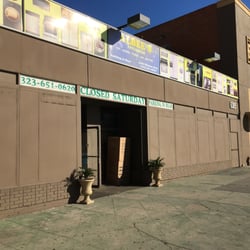
Erik Crenshaw argued that he might have looted the building, but was very clear on the point that he had not set fire to it. No one was able to find sufficient evidence that he had done it, so he was found not guilty in the first case. Erik Crenshaw's defense attorney, Defender Drew Edwards, had this to say about it, "A lot of people are upset about what happened back then and want to blame somebody, but just because we're in a riot-related situation, that doesn't mean people's rights should get suspended. The evidence wasn't there, and in the end, the jurors did the right thing." This was a very concerning statement from Erik's defense attorney, because this meant that there were a lot of crime related cases that could simply be left unsolved due to a shortage of evidence.
Later on in May of that same year, Erik Crenshaw was finally arrested because a witness that was not heard from beforehand had admitted that he saw Crenshaw making Molotov cocktails near the building, and later on him and an unarmed companion walked into the building carrying the firebombs. Apparently Crenshaw was also overheard threatening tenants that lived in an apartment building near the appliance store telling them what the 'next location' was going to be. Even after the eyewitness confirmed what he had seen, the arson investigators said that they were still shorthanded in evidence because of the fact that they could not conduct a thorough search of the building.
Apparently most cases of arson in the 90s were accused on insufficient evidence, which is why teh LA City Fire Department was told to keep their eyes peeled for arsonists. Many defense attorneys also tried to avoid accusing people of arson because it was 'risky business'.
-Alex Gulsoy

No comments:
Post a Comment