Kendrick Lamar: County Building Blues
(Nigga you remember the smoke and the burning buildings and shit?)
Couple stolen T.V.'s and a seat belt for my safety
Played the passenger I think it’s five years after eighty
Seven, do the math, ‘92, don’t you be lazy
Looking out the window, notice all the essentials
Of a block party that stop for a second, then it rekindle
Like a flame from a trick candle, everybody got dental
Insurance ‘cause we ‘bout to floss, you get that couch I sent you?
I heard that from a block away, probably had credentials
Of a scholar but, shit, not today, them Dayton Spokes was his to take
Refrigerators, barbecue pits, and Jordan kicks
They did invasions while helicopters recorded it
Hello Mi-Mister Miyagi, I want them Kenwood woofers
Say that you got me, if not, I’ll dig in your drawer for it
The swap meet was the bulls' eye like Tauruses
Murder was the melody you should know what the chorus is
"Papa, you really telling me we can just get some more of it
If we run out?" He said, "Lil' nigga, today the poor is rich
Don’t tell your mom that you seen a Molotov bomb
If she ask just know you have to lie and son don’t forget
Bitches ain’t shit, hoes ain’t neither
Niggas gon' snitch, watch the company you keeping
And one day you’ll put money in the ghetto when you got it
Rather than having to hustle off these Rodney King riots"
(That’s right the mothafuckin’ Rodney King...
You was with your daddy on Bullis Road)
This is the second verse in Kendrick Lamar's song County Building Blues is a throwback to the mindset and situations of the LA riots. Kendrick describes the way he saw the city as a five-year-old. The TV appliances being stolen was how people began to take advantage of the chaos and attempt to reclaim some of the loss their community had suffered at the hands of the government. He describes the events as a block party, at his age he likely did not grasp the gravity of the situation. The only hints to what is going on are a huge gathering of people, and that is the typical event that would cause that. He mentions the flames dying and starting back up like trick candles that would relight after you blew them out. He says "hello mister miyagi" a stereotypical name used to highlight the fact that most store owners there had been Korean-Americans. Kendrick masterfully weaves an accurate account of the multifaceted nature of the riots while maintaining rhythm and beat. This allows for the tale reach the people that don't keep up with current events.
-Valentin Vassilevski
Thursday, May 31, 2018

A Musical take On LA Riots: Ice-T
A Musical take On LA Riots: Ice-T
Music has served as a documentation of the social conditions at
different times. It freezes emotions in time. The multi ethnic relations that
are at play during the LA riots, particularly that of African Americans and
Korean Americans is touched up on by Ice T’s two songs, “Race War” (1993) and
“Black Korea” (1991). There is a notable evolution of perspective towards
Korean Americans from “Black Korea” to “ Race War.”
The aggressive and defensive tone in the “Black Korea” is an
indication of the tension in the relationship between the two communities prior
to the LA riots in 1992. The first part of the 46 second long song is
taken from the film Do The Right Thing. It sets the song’ stereotypical
portrayal of Korean Americans as invading foreigners that are out to
economically exploit the black community down to every penny. Ice T optimizes
on reaffirming this narrative of Korean Americans by opening the song with the
dialogue between the Korean store owner and Radio Raheem from the Do The Right
Thing which enhances the listener’s comprehension as the film provides
visual aid. Ice T also voices his frustration with the profiling of black
men in Korean stores as violent unemployed thieves. This frustration turns in
to a threat in the line “we’ll burn your store right down to a crisp.” A
chilling line, as it precisely foreshadowed what would happen less than a year
later.
Post LA riots in 1993, Ice T’s song “Race War” showcased a very
different take on Korean Americans, as Ice T states “ Korean people live down
in the hood A little mis-fuckin’-understood.” Ice T takes a step back from the
hostile relations between the different communities to bring a structural
critic to the system that “wanna keep us at each other’s throats.” This song
brings into the conversation the white man that was absent from the burning
scene of LA riots, as it was not simply a Korean vs Black issue. This song
calls for unity not just between blacks and Korean Americans but amongst all
non-whites. It brings into light one of America’s favorite tools, divide and
conquer. He addresses, Mexicans, Jamaicans, Iranians, Indians, Hawaiians,
Puerto-Ricans… as Black, not to erase heritage but to emphasize that under this
system they all get the same treatment as that of non whites.
-Hanna Abuhay
Found Object: Rage Against the Machine Killing in the name of Isabella Atencio
[Hook]
Killing in the name of...
[Verse 1]
Some of those that work forces, are the same that burn crosses
Some of those that work forces, are the same that burn crosses
Some of those that work forces, are the same that burn crosses
Some of those that work forces, are the same that burn crosses
[Hook]
Ugh!
Killing in the name of...
Killing in the name of...
[Pre-Chorus 1]
Now you do what they told ya
Now you do what they told ya
Now you do what they told ya
Now you do what they told ya
And now you do what they told ya
And now you do what they told ya
And now you do what they told ya
And now you do what they told ya
And now you do what they told ya
And now you do what they told ya
And now you do what they told ya
But now you do what they told ya!!
Well now you do what they told ya!!
[Chorus]
Those who died are justified
For wearing the badge
They're the chosen whites
You justify those that died
By wearing the badge
They're the chosen whites
Those who died are justified
For wearing the badge
They're the chosen whites
You justify those that died
By wearing the badge
They're the chosen whites
[Verse 1]
Some of those that work forces, are the same that burn crosses
Some of those that work forces, are the same that burn crosses
Some of those that work forces, are the same that burn crosses
Some of those that work forces, are the same that burn crosses
[Hook]
Ugh!
Killing in the name of...
Killing in the name of...
[Pre-Chorus 2]
Now you do what they told ya
Now you do what they told ya
Now you do what they told ya
Now you do what they told ya
And now you do what they told ya
(Now you're under control) And now you do what they told ya
(Now you're under control) And now you do what they told ya
(Now you're under control) And now you do what they told ya
(Now you're under control) And now you do what they told ya
(Now you're under control) And now you do what they told ya
(Now you're under control) And now you do what they told ya
(NOW YOU'RE UNDER CONTROL!)
AND NOW YOU DO WHAT THEY TOLD YA!
[Chorus x2]
Those who died are justified
For wearing the badge
They're the chosen whites
You justify those that died
By wearing the badge
They're the chosen whites
Those who died are justified
For wearing the badge
They're the chosen whites
You justify those that died
By wearing the badge
They're the chosen whites
Come on!
[Guitar Solo]
Ugh!
Yeah!
Come on!
Ugh!
[Outro]
Fuck you, I won't do what you tell me
Fuck you, I won't do what you tell me
Fuck you, I won't do what you tell me
Fuck you, I won't do what you tell me
Fuck you, I won't do what you tell me
Fuck you, I won't do what you tell me
Fuck you, I won't do what you tell me
Fuck you, I won't do what you tell me!
Rage Against the Machine is a mixture of heavy medal/hardcore, hip-hop, and rap group that sing about societal and political issues of all sorts. Their band was actually formed in Orange County (where I'm from) and their lead songwriter, Zach de la Rocha, is the son of a Chicano political artist and grandson of a Mexican revolutionary. The band's producer was there in LA during the Rodney King beating and he and Zach agreed on the power of speech and what this song had the capability of expressing; which was inspired by one of Zach's major role models, Malcom X. Killing in the name of was released in 1991 after the beating of Rodney King was serially broadcasted on every news station. The song drew more attention/fire after the result of Rodney Kings trial. This song as well questions and criticizes the epidemic of institutionalized racism in America's security agencies (the police).
The many repetitions of "fuck you, I won't do what you tell!" expresses the anger and resentment the people of LA had towards the police and the justice system before and during the LA riots. The line in the beginning of the song "Some of those that work forces, are the same that burn crosses," directly alludes the practices and views of the KKK. Killing in the name of became a powerful anthem that gave those who those who couldn't speak up a voice
Killing in the name of...
[Verse 1]
Some of those that work forces, are the same that burn crosses
Some of those that work forces, are the same that burn crosses
Some of those that work forces, are the same that burn crosses
Some of those that work forces, are the same that burn crosses
[Hook]
Ugh!
Killing in the name of...
Killing in the name of...
[Pre-Chorus 1]
Now you do what they told ya
Now you do what they told ya
Now you do what they told ya
Now you do what they told ya
And now you do what they told ya
And now you do what they told ya
And now you do what they told ya
And now you do what they told ya
And now you do what they told ya
And now you do what they told ya
And now you do what they told ya
But now you do what they told ya!!
Well now you do what they told ya!!
[Chorus]
Those who died are justified
For wearing the badge
They're the chosen whites
You justify those that died
By wearing the badge
They're the chosen whites
Those who died are justified
For wearing the badge
They're the chosen whites
You justify those that died
By wearing the badge
They're the chosen whites
[Verse 1]
Some of those that work forces, are the same that burn crosses
Some of those that work forces, are the same that burn crosses
Some of those that work forces, are the same that burn crosses
Some of those that work forces, are the same that burn crosses
[Hook]
Ugh!
Killing in the name of...
Killing in the name of...
[Pre-Chorus 2]
Now you do what they told ya
Now you do what they told ya
Now you do what they told ya
Now you do what they told ya
And now you do what they told ya
(Now you're under control) And now you do what they told ya
(Now you're under control) And now you do what they told ya
(Now you're under control) And now you do what they told ya
(Now you're under control) And now you do what they told ya
(Now you're under control) And now you do what they told ya
(Now you're under control) And now you do what they told ya
(NOW YOU'RE UNDER CONTROL!)
AND NOW YOU DO WHAT THEY TOLD YA!
[Chorus x2]
Those who died are justified
For wearing the badge
They're the chosen whites
You justify those that died
By wearing the badge
They're the chosen whites
Those who died are justified
For wearing the badge
They're the chosen whites
You justify those that died
By wearing the badge
They're the chosen whites
Come on!
[Guitar Solo]
Ugh!
Yeah!
Come on!
Ugh!
[Outro]
Fuck you, I won't do what you tell me
Fuck you, I won't do what you tell me
Fuck you, I won't do what you tell me
Fuck you, I won't do what you tell me
Fuck you, I won't do what you tell me
Fuck you, I won't do what you tell me
Fuck you, I won't do what you tell me
Fuck you, I won't do what you tell me!
Fuck you, I won't do what you tell me!
Fuck you, I won't do what you tell me!
Fuck you, I won't do what you tell me!
Fuck you, I won't do what you tell me!
Fuck you, I won't do what you tell me!
Fuck you, I won't do what you tell me!
Fuck you, I won't do what you tell me!
Fuck you, I won't do what you tell me!
MOTHER-FUCKER!!!!!!!!!!
UGH!!
The many repetitions of "fuck you, I won't do what you tell!" expresses the anger and resentment the people of LA had towards the police and the justice system before and during the LA riots. The line in the beginning of the song "Some of those that work forces, are the same that burn crosses," directly alludes the practices and views of the KKK. Killing in the name of became a powerful anthem that gave those who those who couldn't speak up a voice
Found Objects: Looking Back
-Arely Hernandez
(Yes this is late :( so sorry )
Wednesday, May 30, 2018
Widespread Damage of Korean Stores

This map depicts the sheer multitude of stores demolished and how geographically spread out they were. This just shows how many rioters were active on that one day (Saigu). About 1,867 out of 3,000 buildings destroyed were owned by Korean-Americans (http://www.washingtonpost.com/wp-srv/national/longterm/lariots/lariots.htm?noredirect=on). When we first began hearing the Korean's side of the story, I was skeptical and a little angry that they weren't on the side of their fellow minorities; but seeing how their livelihoods were destroyed during the riots, I can now see how they would feel more hostility towards the protesters than towards the police. We always heard about the stores that were looted and burned down, but this map helps show just how many lives were affected.
~Nelum R
The NY Times on the Rodney King verdict
https://archive.nytimes.com/www.nytimes.com/books/98/02/08/home/rodney-verdict.html?_r=2
The 1992 Los Angeles riots was ignited by the verdict in the trial of the officers involved in the Rodney King beating. This news article from April 29th 1992, the day the riots started, details the outcome and immediate reaction to the case as it concludes. The text describes the arguments presented by both sides and why the jurors chose to acquit Rodney King. According to jurors and others close to the case, the defense argued that the officers were acting in accordance with standard procedure, and also “the role of a police force in protecting society from "the likes of Rodney King." ”(Mydans for the NY Times,1992). Additionally, the article mentions the beginning of riots and the tensions between races. It finally highlights the reaction of several high profile politicians and political figures.
This article highlights how the media distorts certain aspects of the situation to lessen the injustice that occurred. Throughout the article, the defenses argument is brought up, bringing up and repeating similar points. That: “They were afraid he was going to run or even attack them.” or that the police had a role in “ protecting society from "the likes of Rodney King." ”. It mentions that : “Mr. King was making potentially threatening movements”. While the article does mention the brutality of the beating and the reaction of certain high profile figures in opposition to the beating, it does so in much lower frequency, and also brings up those same figures calling for people to respect the legal process. To an extent this pushes the viewer towards siding with the defense and primes them against LA’s response to this case. By being repeatedly exposed to the idea that the police were acting within procedure or that King was potentially threatening, the reader will start to consider it more heavily.
It additionally brings up racial tensions and makes the issues seem like a black vs white issue. For example the article states “Loud arguments broke out between whites and blacks” and then highlights the violent acts committed by the rioters. It avoids calling the people in the streets protests or demonstrations but rather “angry groups” and looters. It mentions how . To the reader, this article makes those in the street seem like a violent angry mob taking advantage of the chaos to commit crimes rather than those acts being committed by a subsection of the demonstrations, which devalues the intense reaction to the verdict as a whole. The strategic organization of this article posts the violence committed in part in reaction to the riots after the case is explained, and then quoting various politicians calling for calm and peace, then finally bringing up the idea that the police are quote: “part of the line between society and chaos” or that the beating was “ "This is careful police work." ”. This primes the viewer to view the police brutality as almost justified and that their use of force is necessary to prevent the very violence present on the streets at the moment. It seems that this article is meant to garner a certain amount of sympathy towards the officers and lessen the importance of such a case.
Nicolas Menand
This article highlights how the media distorts certain aspects of the situation to lessen the injustice that occurred. Throughout the article, the defenses argument is brought up, bringing up and repeating similar points. That: “They were afraid he was going to run or even attack them.” or that the police had a role in “ protecting society from "the likes of Rodney King." ”. It mentions that : “Mr. King was making potentially threatening movements”. While the article does mention the brutality of the beating and the reaction of certain high profile figures in opposition to the beating, it does so in much lower frequency, and also brings up those same figures calling for people to respect the legal process. To an extent this pushes the viewer towards siding with the defense and primes them against LA’s response to this case. By being repeatedly exposed to the idea that the police were acting within procedure or that King was potentially threatening, the reader will start to consider it more heavily.
It additionally brings up racial tensions and makes the issues seem like a black vs white issue. For example the article states “Loud arguments broke out between whites and blacks” and then highlights the violent acts committed by the rioters. It avoids calling the people in the streets protests or demonstrations but rather “angry groups” and looters. It mentions how . To the reader, this article makes those in the street seem like a violent angry mob taking advantage of the chaos to commit crimes rather than those acts being committed by a subsection of the demonstrations, which devalues the intense reaction to the verdict as a whole. The strategic organization of this article posts the violence committed in part in reaction to the riots after the case is explained, and then quoting various politicians calling for calm and peace, then finally bringing up the idea that the police are quote: “part of the line between society and chaos” or that the beating was “ "This is careful police work." ”. This primes the viewer to view the police brutality as almost justified and that their use of force is necessary to prevent the very violence present on the streets at the moment. It seems that this article is meant to garner a certain amount of sympathy towards the officers and lessen the importance of such a case.
Nicolas Menand
First man to be charged for arson
According to the Los Angeles Times a man by the name Erik Crenshaw was accused of having set fire to Albee's Appliances, near Fairfax Ave and West Pico Boulevard and this took place on April 30th, the year after the riots began. His accusation was limited to very little to almost no evidence other than a few eyewitnesses that thought they saw him enter the building with Molotov cocktails after the building started burning. On top of the arson that he might have committed, he was also being accused of a second count of using a firearm in a crime of violence. If all these accusations were to be backed up by strong evidence, than Erik Crenshaw would have to face at least 40 years of prison.
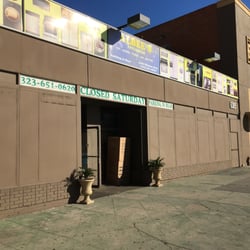
Erik Crenshaw argued that he might have looted the building, but was very clear on the point that he had not set fire to it. No one was able to find sufficient evidence that he had done it, so he was found not guilty in the first case. Erik Crenshaw's defense attorney, Defender Drew Edwards, had this to say about it, "A lot of people are upset about what happened back then and want to blame somebody, but just because we're in a riot-related situation, that doesn't mean people's rights should get suspended. The evidence wasn't there, and in the end, the jurors did the right thing." This was a very concerning statement from Erik's defense attorney, because this meant that there were a lot of crime related cases that could simply be left unsolved due to a shortage of evidence.
Later on in May of that same year, Erik Crenshaw was finally arrested because a witness that was not heard from beforehand had admitted that he saw Crenshaw making Molotov cocktails near the building, and later on him and an unarmed companion walked into the building carrying the firebombs. Apparently Crenshaw was also overheard threatening tenants that lived in an apartment building near the appliance store telling them what the 'next location' was going to be. Even after the eyewitness confirmed what he had seen, the arson investigators said that they were still shorthanded in evidence because of the fact that they could not conduct a thorough search of the building.
Apparently most cases of arson in the 90s were accused on insufficient evidence, which is why teh LA City Fire Department was told to keep their eyes peeled for arsonists. Many defense attorneys also tried to avoid accusing people of arson because it was 'risky business'.
-Alex Gulsoy
Erik Crenshaw argued that he might have looted the building, but was very clear on the point that he had not set fire to it. No one was able to find sufficient evidence that he had done it, so he was found not guilty in the first case. Erik Crenshaw's defense attorney, Defender Drew Edwards, had this to say about it, "A lot of people are upset about what happened back then and want to blame somebody, but just because we're in a riot-related situation, that doesn't mean people's rights should get suspended. The evidence wasn't there, and in the end, the jurors did the right thing." This was a very concerning statement from Erik's defense attorney, because this meant that there were a lot of crime related cases that could simply be left unsolved due to a shortage of evidence.
Later on in May of that same year, Erik Crenshaw was finally arrested because a witness that was not heard from beforehand had admitted that he saw Crenshaw making Molotov cocktails near the building, and later on him and an unarmed companion walked into the building carrying the firebombs. Apparently Crenshaw was also overheard threatening tenants that lived in an apartment building near the appliance store telling them what the 'next location' was going to be. Even after the eyewitness confirmed what he had seen, the arson investigators said that they were still shorthanded in evidence because of the fact that they could not conduct a thorough search of the building.
Apparently most cases of arson in the 90s were accused on insufficient evidence, which is why teh LA City Fire Department was told to keep their eyes peeled for arsonists. Many defense attorneys also tried to avoid accusing people of arson because it was 'risky business'.
-Alex Gulsoy
- Amber Grizzle
An Encapsulation of Destruction: A Bird's Eye View of the Damage to Los Angeles
https://media.nbclosangeles.com/images/987*1481/AP_920430072.jpg
The image I have chosen provides a wider frame to observe just how much the Los Angeles riots of 1992 had affected the environment of the city and its structures. Other pictures of the riots only showed singular occurrences or a single building being burned or looted, so I chose this particular image because it gave a comprehensive perspective on the event's wreckage. It is important to examine a large portion of damage to be fully aware of the true amount of ruin that resulted from these riots.
When looked at this picture for the first time I was sure that this had been the accumulation of destruction once the riots had stopped because of the unbelievable amount of damage dealt to it. But, when I read the caption read, ''Smoke covers Los Angeles Thursday, April 30, 1992, as fires like this one near Vermont Street burn out of control"(AP). A single day had passed and an entire city block had been burnt and ravaged. There was nothing left except the skeletons of what I can assume to be working establishments which is symbolic of the tremendous devastation that overtook L.A. during and after the riots. Useful facilities and structures were ransacked then went up in flames which caused more direct damage to the citizens of L.A. than the accomplishments these actions attained.
Jamie Livengood
The image I have chosen provides a wider frame to observe just how much the Los Angeles riots of 1992 had affected the environment of the city and its structures. Other pictures of the riots only showed singular occurrences or a single building being burned or looted, so I chose this particular image because it gave a comprehensive perspective on the event's wreckage. It is important to examine a large portion of damage to be fully aware of the true amount of ruin that resulted from these riots.
When looked at this picture for the first time I was sure that this had been the accumulation of destruction once the riots had stopped because of the unbelievable amount of damage dealt to it. But, when I read the caption read, ''Smoke covers Los Angeles Thursday, April 30, 1992, as fires like this one near Vermont Street burn out of control"(AP). A single day had passed and an entire city block had been burnt and ravaged. There was nothing left except the skeletons of what I can assume to be working establishments which is symbolic of the tremendous devastation that overtook L.A. during and after the riots. Useful facilities and structures were ransacked then went up in flames which caused more direct damage to the citizens of L.A. than the accomplishments these actions attained.
Jamie Livengood
Uprising Hip Hop and The LA Riots
Documentary: Uprising Hip Hop and The LA Riots: https://www.youtube.com/watch?v=bcfvzrn_uJA
In this documentary it gives a timeline of the start of the 1992 LA Riots and the rise of music in response to the riots. The film starts with Rodney King telling his story rather than just another person speaking on his behalf. Then it further goes to explain how people within the community who are predominantly of color felt towards the verdict of the Rodney King trial. As the film goes on it shows how music was, specifically rap and hip hop were heavily influenced and dedicated to responding to the events happening within the city. Artists and activist speak on how this riot was much needed and finally brought to light all the years of oppression and systemic discrimination that people of color, especially black people have been facing from cops. As it takes you through different testimonies of how the police enacted brutal force not only to Rodney King but to many other black people within the community, you see how much frustration that has been pent up for years is shown within their stories. You see how music has become a way for their voices to be heard to the masses and as a tool to force the police and those in power to listen to the horrible conditions they have been through. This film offers an interesting and insightful outlook on the riots and how the people of the community defend their right to have a voice, as well as the upset they had with white society.
After seeing this documentary I felt chills down by back of how well it was created and the story was told. It allowed Rodney King to speak on his assault how he felt about the trial, while also letting actual people from the riots speak. There wasn't a high volume of people who weren't there or professional on this event, it was actual people who felt and experience the pain and anger that went along with this riot. I find it interesting how the interviewer asked the hard questions about the assaults that were committed, the looting, and the pain that was felt. Overall this film encompasses the dire need of the LA riots for black people in LA. The made a point of acknowledging that it didn't happen over night but rather from year and year of systematic oppression. Music was a major aspect of this riot and to show how big of an impact it had on the community was astonishing.
-Marisol Flores
In this documentary it gives a timeline of the start of the 1992 LA Riots and the rise of music in response to the riots. The film starts with Rodney King telling his story rather than just another person speaking on his behalf. Then it further goes to explain how people within the community who are predominantly of color felt towards the verdict of the Rodney King trial. As the film goes on it shows how music was, specifically rap and hip hop were heavily influenced and dedicated to responding to the events happening within the city. Artists and activist speak on how this riot was much needed and finally brought to light all the years of oppression and systemic discrimination that people of color, especially black people have been facing from cops. As it takes you through different testimonies of how the police enacted brutal force not only to Rodney King but to many other black people within the community, you see how much frustration that has been pent up for years is shown within their stories. You see how music has become a way for their voices to be heard to the masses and as a tool to force the police and those in power to listen to the horrible conditions they have been through. This film offers an interesting and insightful outlook on the riots and how the people of the community defend their right to have a voice, as well as the upset they had with white society.
After seeing this documentary I felt chills down by back of how well it was created and the story was told. It allowed Rodney King to speak on his assault how he felt about the trial, while also letting actual people from the riots speak. There wasn't a high volume of people who weren't there or professional on this event, it was actual people who felt and experience the pain and anger that went along with this riot. I find it interesting how the interviewer asked the hard questions about the assaults that were committed, the looting, and the pain that was felt. Overall this film encompasses the dire need of the LA riots for black people in LA. The made a point of acknowledging that it didn't happen over night but rather from year and year of systematic oppression. Music was a major aspect of this riot and to show how big of an impact it had on the community was astonishing.
-Marisol Flores
"Living for the City" by Stevie Wonder
For my found object, I chose to
talk about a song by Stevie Wonder called “Living for the City.” The lyrics
describe a man that grew up in a poor family in Mississippi. He decides to
leave Mississippi for New York city because “find[ing] a job is like a haystack
needle” because all the employers where he lives don’t hire African-Americans. When
the man gets to New York City, he ends up being set up for a crime and gets put
away for 10 years. Then the lyrics describe the man as homeless, dirty, almost
dead, walking the streets of new York city. The song ends with a call to action
from Stevie Wonder to “make a better tomorrow.”
This song explicitly talks about systematic racism
and inequality. First, the man is discriminated against when trying to find a
job in the south. Then, when he moves to find a better future in New York, he
ends up being falsely imprisoned for 10 years because he is a black man that
happened to be in the wrong place at the wrong time. After prison, he is abandoned
by the system completely.
The song came out in November of
1973 and was a single off the album Innervision,
which is considered by many to be one of Stevie Wonder’s best albums; “Living
for the City” made it to #8 on the Billboard 100. It is a great song and it
probably resonated with a lot of people of color in America. The civil rights
movement wasn’t at the forefront of the national discourse like it had been 10
years prior. There was a lack of leadership within the African American
community. The civil rights leaders were assassinated. The Black Panther Party
all but disbanded by 1973. Many people of color felt that the change that was
promised in the 1960’s wasn’t happening. At the beginning of the same year, the Civil
Rights Commission came to the same conclusion and stated that the government
and the Nixon administration was continuing to fail to enforce civil rights. Stevie
Wonder tapped into this collective feeling of disenfranchisement and created a
classic song.
- Percy Gallagher
"Teaching Torture at the School of the Americas" by Marjorie Cohn
"Throughout Latin America, the United States armed military governments, provided them with money and loans, and used diplomatic pressure and threats to ensure loyalty to U.S. interests.18 Training military tyrants to repress their own populations was cheaper and easier than sending in U.S. troops. The primary goal of the United States in Latin America during this period was to maintain stability for U.S. investment (p. 3)."
It is evident, after reading all fourteen pages of Cohn's work, that the United States is a dystopian, imperialist plague. After the pages go on and on about different people in power being responsible for the torture of many "insurgents," who are just people who are "human rights advocates", "labor organizers", and "healthcare workers", it ends with stating that those people who were trained in the Western Hemisphere Institute for Security Cooperation (WHINSEC), formerly known as School of the Americas, did not get "prosecuted" or "censured", they did not apologize, and victims received no reparations. In the passage above, there is a mention of a tactic the United States used to gain access and power over Latin American countries. Many of the people placed in power in Central and South American countries were corrupt and perpetrated atrocities against their own people because of the United States' threats. The overall reading was troublesome to get through, and it further signified the issues that other countries have endured because of the United States and their introduction in foreign governments. The WHINSEC sounds like a brainwashing school that normalizes inhumane tactics to forcefully gain power over people. The U.S. sees other countries as resources, and their power move is to turn people against each other in order to divide and conquer. Although the article states that many Latin American countries have backed out from using SOA-WHINSEC to train their citizens, the effects of previous atrocities are everlasting - however, it is a step in the right direction.
- Esmeralda Argueta
It is evident, after reading all fourteen pages of Cohn's work, that the United States is a dystopian, imperialist plague. After the pages go on and on about different people in power being responsible for the torture of many "insurgents," who are just people who are "human rights advocates", "labor organizers", and "healthcare workers", it ends with stating that those people who were trained in the Western Hemisphere Institute for Security Cooperation (WHINSEC), formerly known as School of the Americas, did not get "prosecuted" or "censured", they did not apologize, and victims received no reparations. In the passage above, there is a mention of a tactic the United States used to gain access and power over Latin American countries. Many of the people placed in power in Central and South American countries were corrupt and perpetrated atrocities against their own people because of the United States' threats. The overall reading was troublesome to get through, and it further signified the issues that other countries have endured because of the United States and their introduction in foreign governments. The WHINSEC sounds like a brainwashing school that normalizes inhumane tactics to forcefully gain power over people. The U.S. sees other countries as resources, and their power move is to turn people against each other in order to divide and conquer. Although the article states that many Latin American countries have backed out from using SOA-WHINSEC to train their citizens, the effects of previous atrocities are everlasting - however, it is a step in the right direction.
- Esmeralda Argueta
Born A Slave- The Story of Louden Nelson
In Santa Cruz today, we know the Louden Nelson center is a place where activities for all groups are always held, from creative writing classes to yoga for senior citizens. Some of us pass by the building on Center Street all the time and know the name, but who exactly is Louden Nelson and why is the building dedicated to him?


Louden Nelson's real name is written erroneously. His real name was London Nelson. He arrived in Santa Cruz as a slave with his master (who had come west during the promising prospect of the Gold Rush) in 1842. His last name, Nelson, was given to him when he was born a slave on May, 5th, 1800 on a North Carolina cotton plantation owned by the Nelson family. London was set free here in Santa Cruz from his bondage after his master considered his freedom "bought" after helping seek the gold during the western journey his master conducted.
By that time, London, and a previously owned slave set free, were the only two black persons in Santa Cruz.
London worked as a cobbler and also on a farm that he rented land on, saving enough money to finally purchase some of his own land near the San Lorenzo river in 1860. He fill ill the same year he purchased the land, and in the event of his death he willed his land over to the public school system of Santa Cruz county for what he said should be "for the purpose of promoting an interest in education." He never received a formal education, and wanted to make sure future children would have the opportunity.
It is interesting to note that the gravestone pictured above has been an object subjected to vandalism over the course of Santa Cruz history. People have written racial epithets on it and knocked it over, hence why it is in this current state today. It shows how we see Santa Cruz through rose-colored glasses as a place where racism doesn't exist, or where a slave like London Nelson would've never set foot.
You can find London Nelson's gravestone in Evergreen Cemetery in Santa Cruz to this day.
--Katie Laughlin
Tear This Mothafucka Up: Ice Cube on LA 1992
The following is the lyrics to Ice Cube's song "We Had to Tear This Mothafucka Up." This album came off of his 1992 album, The Predator, which was released on November 17, within months from the Los Angeles riots. It contains songs that direct tensions within the context of the uprising such as "Who Got the Camera?"
This song, in particular, is directed at the LAPD officers acquitted for the beating of Rodney King. It begins with a sample of Benjamin West, a former mayor of Nashville, TN, who was one of the first to speak out against segregation and sit-in at a segregated lunch counter in 1961. This glimmer of hope is then interrupted by the voice of Tom Brokaw, announcing the acquittal of the four LAPD officers at the Rodney King Trial. This is followed by news reports during the riots, noting the violence around the city. After this intro, the first verse jumps straight into descriptions of violence and anger aimed directly at each individual officer acquitted. He dedicates parts of his verse to call each officer by name, stating specific things they've done to King and there whereabouts after the trial. He talks about how he predicted this uprising from different tensions before the riots happened on his previous album and no one listened. He talks about how violence should be directed at the white corporations, not black-owned business. He directs some of his anger towards Darryl Gates, with a shotgun threat.
This album is important in showing the complexity in tension and emotion going through the black community at the time of the riots. This song, in particular, shows specifically, the initial outrage and anger demonstrated by the black community at the aftermath of the trial.
-Jose Domingo
("Peace, quiet and good order will be maintained in our city
To the best of our ability. Riots, melees and disturbances
Of the peace are against the interests of all our people; and
Therefore cannot be permitted.")
("The jury found that they were all not guilty, not guilty...")
("We've been told that all along Crenshaw Boulevard, that there's a series of fires. A lot of looting is going on. A disaster area, obviously.")
("The jury found that they were all not guilty, not guilty...")
[Cube] Make it rough
("A lot of activity continues here at this command post.")
[Cube] Make it rough!!
("We have sporadic fires, throughout the city of Los Angeles.")
[Verse 1]
Not guilty, the filthy, devils tried to kill me
When the news get to the hood the niggas will be
Hotter than cayenne pepper, cuss, bust
Kickin up dust is a must
I can't trust, a cracker in a blue uniform
Stick a nigga like a unicorn
Born, wicked, Laurence, Powell, foul
Cut his fuckin throat and I smile
Go to Simi Valley and surely
Somebody knows the address of the jury
Pay a little visit, "Who is it?" (Ohh it's Ice Cube)
"Can I talk to the grand wizard," then boom!!
Make him eat the barrel, modern day feral
Now he's zipped up like Leather Tuscadero
Pretty soon we'll catch Sergeant Koon
Shoot him in the face, run up in him with a broom-
-stick, prick, devils ain't shit
Introduce his ass to the AK-40 dick
Two days niggas layed in the cut
To get some respect we had to tear this muthafucka up
{"Wroooooooooong nigga to FUCK WITH!"}
[Cube] Make it rough
{"Wroooooooooong nigga to FUCK WITH!"}
[Verse 2]
I gotta mac-10 for Officer Wind
Damn his devil ass need to be shipped back to Kansas
In a casket, crew cut faggot
Now he ain't nothin but food for the maggots
Lunch, punch, Hawaiin, lyin
Niggas ain't buyin, ya story, bore me
Tearin up shit with fire, shooters, looters
Now I got a laptop computer
I told you it would happened and you heard it, read it
But all you can call me was anti-semitic
Regret it? Nope, said it? Yep
Listen to my big black boots as I step
Niggas had to break you off somethin, give Bush a push
But your National Guard ain't hard
You had to get Rodney to stop me, cause you know what?
We woulda to' this muthafucka up
{"Wroooooooooong nigga to FUCK WITH!"}
[Cube] Make it rough
{"Wroooooooooong nigga to FUCK WITH!"}
[Cube] Ay Muggs, make it rough!
{"Wroooooooooong nigga to FUCK WITH!"}
{"Wroooooooooong nigga to FUCK WITH!"}
[Verse 3]
It's on, "Gone With the Wind"
And I know white men can't dunk, now I'm stealin blunts
And a cake from Betty Crocker, Orville Reddenbacher
Don't fuck with the black-owned stores but hit the Foot Lockers
Steal, motherfuck Fire Marshall Bill
Oh what the hell, throw the cocktail, I smell smoke
Got the fuck out, Ice Cube lucked out
My nigga had his truck out, didn't get stuck out
In front of that store with the Nikes and Adidas
Oh Jesus, Western Surplus got the heaters
Meet us, so we can get the 9's and the what-nots
Got the Mossberg with the double-eyed buckshot
Ready for Darryl, and like Baretta would say
Keep your eye on the barrel, a sparrow
"Don't do the crime if you can't do the time"
But I'm rollin, so that's a fucked-up slogan
The Hogan's, Heroes, spotted the guerilla
By the Sizzler, hittin up police killer
The super-duper nigga that'll buck
We had to tear this muthafucka up, so what the fuck!?!
{"Wroooooooooong nigga to FUCK WITH!"}
[Cube] Huh, make it rough!
{"Wroooooooooong nigga to FUCK WITH!"}
[Cube] Yo Muggs, make it rough
{"Wroooooooooong nigga to FUCK WITH!"}
[Cube] Huh, make it rough
{"Wroooooooooong nigga to FUCK WITH!"}
[Cube] Enough!
{"Wroooooooooong nigga to FUCK WITH!"}
{"Wroooooooooong nigga to FUCK WITH!"}
{"Wroooooooooong nigga to FUCK WITH!"}
{"Wroooooooooong nigga to FUCK WITH!"}
{"Wroooooooooong nigga to FUCK WITH!"}
{"Wroooooooooong nigga to FUCK WITH!"}
{"Wroooooooooong nigga to FUCK WITH!"}
("Not guilty verdicts for Stacey Koon, Laurence Powell, Timothy
Wind, and Theodore Briseno. The four officers accused of beating
Motorist Rodney King.")
-Jose Domingo
This song, in particular, is directed at the LAPD officers acquitted for the beating of Rodney King. It begins with a sample of Benjamin West, a former mayor of Nashville, TN, who was one of the first to speak out against segregation and sit-in at a segregated lunch counter in 1961. This glimmer of hope is then interrupted by the voice of Tom Brokaw, announcing the acquittal of the four LAPD officers at the Rodney King Trial. This is followed by news reports during the riots, noting the violence around the city. After this intro, the first verse jumps straight into descriptions of violence and anger aimed directly at each individual officer acquitted. He dedicates parts of his verse to call each officer by name, stating specific things they've done to King and there whereabouts after the trial. He talks about how he predicted this uprising from different tensions before the riots happened on his previous album and no one listened. He talks about how violence should be directed at the white corporations, not black-owned business. He directs some of his anger towards Darryl Gates, with a shotgun threat.
This album is important in showing the complexity in tension and emotion going through the black community at the time of the riots. This song, in particular, shows specifically, the initial outrage and anger demonstrated by the black community at the aftermath of the trial.
-Jose Domingo
("Peace, quiet and good order will be maintained in our city
To the best of our ability. Riots, melees and disturbances
Of the peace are against the interests of all our people; and
Therefore cannot be permitted.")
("The jury found that they were all not guilty, not guilty...")
("We've been told that all along Crenshaw Boulevard, that there's a series of fires. A lot of looting is going on. A disaster area, obviously.")
("The jury found that they were all not guilty, not guilty...")
[Cube] Make it rough
("A lot of activity continues here at this command post.")
[Cube] Make it rough!!
("We have sporadic fires, throughout the city of Los Angeles.")
[Verse 1]
Not guilty, the filthy, devils tried to kill me
When the news get to the hood the niggas will be
Hotter than cayenne pepper, cuss, bust
Kickin up dust is a must
I can't trust, a cracker in a blue uniform
Stick a nigga like a unicorn
Born, wicked, Laurence, Powell, foul
Cut his fuckin throat and I smile
Go to Simi Valley and surely
Somebody knows the address of the jury
Pay a little visit, "Who is it?" (Ohh it's Ice Cube)
"Can I talk to the grand wizard," then boom!!
Make him eat the barrel, modern day feral
Now he's zipped up like Leather Tuscadero
Pretty soon we'll catch Sergeant Koon
Shoot him in the face, run up in him with a broom-
-stick, prick, devils ain't shit
Introduce his ass to the AK-40 dick
Two days niggas layed in the cut
To get some respect we had to tear this muthafucka up
{"Wroooooooooong nigga to FUCK WITH!"}
[Cube] Make it rough
{"Wroooooooooong nigga to FUCK WITH!"}
[Verse 2]
I gotta mac-10 for Officer Wind
Damn his devil ass need to be shipped back to Kansas
In a casket, crew cut faggot
Now he ain't nothin but food for the maggots
Lunch, punch, Hawaiin, lyin
Niggas ain't buyin, ya story, bore me
Tearin up shit with fire, shooters, looters
Now I got a laptop computer
I told you it would happened and you heard it, read it
But all you can call me was anti-semitic
Regret it? Nope, said it? Yep
Listen to my big black boots as I step
Niggas had to break you off somethin, give Bush a push
But your National Guard ain't hard
You had to get Rodney to stop me, cause you know what?
We woulda to' this muthafucka up
{"Wroooooooooong nigga to FUCK WITH!"}
[Cube] Make it rough
{"Wroooooooooong nigga to FUCK WITH!"}
[Cube] Ay Muggs, make it rough!
{"Wroooooooooong nigga to FUCK WITH!"}
{"Wroooooooooong nigga to FUCK WITH!"}
[Verse 3]
It's on, "Gone With the Wind"
And I know white men can't dunk, now I'm stealin blunts
And a cake from Betty Crocker, Orville Reddenbacher
Don't fuck with the black-owned stores but hit the Foot Lockers
Steal, motherfuck Fire Marshall Bill
Oh what the hell, throw the cocktail, I smell smoke
Got the fuck out, Ice Cube lucked out
My nigga had his truck out, didn't get stuck out
In front of that store with the Nikes and Adidas
Oh Jesus, Western Surplus got the heaters
Meet us, so we can get the 9's and the what-nots
Got the Mossberg with the double-eyed buckshot
Ready for Darryl, and like Baretta would say
Keep your eye on the barrel, a sparrow
"Don't do the crime if you can't do the time"
But I'm rollin, so that's a fucked-up slogan
The Hogan's, Heroes, spotted the guerilla
By the Sizzler, hittin up police killer
The super-duper nigga that'll buck
We had to tear this muthafucka up, so what the fuck!?!
{"Wroooooooooong nigga to FUCK WITH!"}
[Cube] Huh, make it rough!
{"Wroooooooooong nigga to FUCK WITH!"}
[Cube] Yo Muggs, make it rough
{"Wroooooooooong nigga to FUCK WITH!"}
[Cube] Huh, make it rough
{"Wroooooooooong nigga to FUCK WITH!"}
[Cube] Enough!
{"Wroooooooooong nigga to FUCK WITH!"}
{"Wroooooooooong nigga to FUCK WITH!"}
{"Wroooooooooong nigga to FUCK WITH!"}
{"Wroooooooooong nigga to FUCK WITH!"}
{"Wroooooooooong nigga to FUCK WITH!"}
{"Wroooooooooong nigga to FUCK WITH!"}
{"Wroooooooooong nigga to FUCK WITH!"}
("Not guilty verdicts for Stacey Koon, Laurence Powell, Timothy
Wind, and Theodore Briseno. The four officers accused of beating
Motorist Rodney King.")
-Jose Domingo
"This is America": still, 26 years after the LA Riots
In Childish
Gambino’s “This is America” music video, he brings to light the issues of black
media and the power of media, the response of rioting when black lives are
disregarded, and the overall apocalyptic nature of racial tensions in America.
In the
music video, Gambino uses the symbol of the white horseman to portray the
apocalyptic response towards racial injustice. The music video follows Gambino
and a group of students dancing, while the background is a chaotic scene of
rioting and running away. The rioting does not appear in the music video until
the opening scene of a black man being shot from the back. Rioting has been a
response towards the injustice of the indictment of the police officers
involved in the Rodney King beating. The disorganized nature of rioting adds to
the image of the apocalypse.
Gambino mentions how “celly’s” are
a tool. A reference to how cellphones are used as a tool to record instances of
police brutality or racial tensions.
With the widespread ownership of cell phones, it is becoming more common
for bystanders to record instances that are worth public views. Either to be used
as evidence of wrongful police procedures or to upload on the internet to
gather public support. But this tool, like Holiday’s recording of the Rodney
King beating, can still be manipulated and warped to blur accuracy of the
recording.
As a music video that has been
released 26 years after the LA riots, America is experiencing the same issues
of racial injustice and the response to the injustice has been similar.
-Melissa Lee
Art for Justice
Angels of the Movement by Gerry Lawrence, Glauz Diego, and Caitlin Dennis

I found an LA Weekly Article talking about a very powerful art exhibit that linked to the 1992 LA riots. The exhibit is called Re-Imagine Justice and the art is titled Angels of the Movement. This is not your typical paint on canvas kind of art, instead it takes on a specific location and reinvents that space with different mediums of art to create a loud and powerful message. It is an example of installation art in which the whole space is utilized for analysis. The location is an abandoned convenience store with miscellaneous items to represent the time period it is set in. Behind the counter, overlooking customers, are three large frames with B&W pictures of teenagers: Emmet Till, Latasha Harlins, and Trayvon Martin. All are representative of kids whose lives were taken before their time during different time periods. Till was killed in Mississippi in wake of the civil rights movement. Latasha Harlins was shot during the L.A riots in a convenience store by a Korean storeowner. Trayvon Martin was a victim of police brutality committed by George Zimmerman. Each death was during a certain movement constantly morphing into something else but never improving. The movements were the civil rights movement, the '92 riots, and what is now the Black Lives Matter. Each of the teenagers are a face during those parts of history.
What is significant about this art is that is takes place in a central location. All three of these deaths occurred when they were in or heading towards the convenience store and they were all racial crimes. The similarity of it all brings into question if anything has changed? Each time an African-American dies it feels as if the world is getting numb to it. The reason the Rodney King beating took the world by spectacle was because it happened to be recorded even in that dinosaur age. However now that we are in a modern age where everything is recorded there is still no sense of justice. This art just like the '92 riots is a reminder that the past is the present. Without united action there will be no change and only martyrs.
-Mayeena Ulkarim
Tupac Shakur on Police Brutality
“2Pac on Police Brutality in Unseen Interview with Tanya Hart (1992) RARE”
This interview with host Tanya Hart featured Hip-Hop rapper and activist Tupac Amaru Shakur during the LA riots. The use of hip-hop and rap rapidly grew as an outlet for unequal treatments in low-income neighborhoods. These genres helped artists like Tupac Shakur, create music that tells meaningful stories through its lyrics. During the LA riots before and after, low-income neighborhoods have been targets of a malfunctioning justice system. Shakur’s music touches the social issues revolving around violence, racism, and difficulties minorities face. Both of his parents were members of the Black Panther Party and were involved in large confrontations with the police. With activism in their backgrounds, Tupac would publicly speak about social issues like poverty and racism for people who needed someone to represent them. In the modern era, there are more individuals raising their voice against injustices compared to how it was back then.
In this video, Shakur speaks about being victims of police brutality. He speaks of his mother’s personal experience with police brutality during her era. His mother was beaten by police officers while she was seven months pregnant. As explained in the video, the police put a match to the door and yelled out “fire!” early in the morning and as soon as they opened the door, the police put a shock gun to her pregnant belly and placed a gun to her head telling her not to move. His mother was a leader of the Black Panther Party and she fought hard for freedom that “she knew she was never going to receive” (video). Tupac shared, “Any black male can identify that I could truly pass off, I could die, and I’ve left a mark and for a white person would say ‘why would he say that’ but for a black person in today’s society where we’re not promised to live to 21. At 20 years old I get a future film…” (11:30). Data has continuously shown the negative effects the United States criminal justice system has had on black communities; especially younger black males and the LA riots clearly show evidence of it. It is important to listen to the voices that are continuously being shut down.
Protection of Korean Owned Stores Seen In The Wrong Light
As we talked about in class, Korean owned businesses were
protecting themselves by being armed and standing on their roofs to watch for looters.
Of course, when the news channels reported it, they didn’t report it properly. News
anchors said that they had weapons to show that they are armed and ready to
fight with anyone who messes with them. However, the real reason was protect
themselves from the looters who had destroyed other Korean businesses out of
spite against the government. Essentially, Korean businesses were the easier
targets to get to so they were the ones attacked so now to protect themselves,
they bought weapons.
This angers me quite a bit, especially because the news
reporters aren’t seeing the bigger picture as to why they have the weapons. Although
I am not defending the looters, I can see why they are angry and feel the need
to retaliate but they retaliated against the wrong people. The way the news
reporters classified them makes everyone else in the communities fear them when
they aren’t the ones that need to be feared. This caused an even larger uprising
because I feel as if it looked like a challenge. The Korean people had already
lost so much and they definitely deserved to be protected better instead of
being left to fight one their own.
Monika Ortiz
“Hip
Hop rapper Tupac Shakur interview on police brutality – 1992”
This interview with host Tanya Hart featured Hip-Hop rapper and activist Tupac Amaru Shakur during the LA riots. The use of hip-hop and rap rapidly grew as an outlet for unequal treatments in low-income neighborhoods. These genres helped artists like Tupac Shakur, create music that tells meaningful stories through its lyrics. During the LA riots before and after, low-income neighborhoods have been targets of a malfunctioning justice system. Shakur’s music touches the social issues revolving around violence, racism, and difficulties minorities face. Both of his parents were members of the Black Panther Party and were involved in large confrontations with the police. With activism in their backgrounds, Tupac would publicly speak about social issues like poverty and racism for people who needed someone to represent them. In contemporary time there are more individuals raising their voice against injustices compared to how it was back then.
In this video, Shakur speaks about being victims of police brutality. He speaks of his mother’s personal experience with police brutality during her era. His mother was beaten by police officers while she was seven months pregnant. As explained in the video, the police put a match to the door and yelled out “fire!” early in the morning and as soon as they opened the door, the police put a shock gun to her pregnant belly and placed a gun to her head telling her not to move. His mother was a leader of the Black Panther Party and she fought hard for freedom that “she knew she was never going to receive” (video). Tupac shared, “Any black male can identify that I could truly pass off, I could die, and I’ve left a mark and for a white person would say ‘why would he say that’ but for a black person in today’s society where we’re not promised to live to 21. At 20 years old I get a future film…” (11:30). Data has continuously shown the negative effects the United States criminal justice system has had on black communities; especially younger black males and the LA riots clearly show evidence of it. It is important to listen to the voices that are continuously being shut down.
This interview with host Tanya Hart featured Hip-Hop rapper and activist Tupac Amaru Shakur during the LA riots. The use of hip-hop and rap rapidly grew as an outlet for unequal treatments in low-income neighborhoods. These genres helped artists like Tupac Shakur, create music that tells meaningful stories through its lyrics. During the LA riots before and after, low-income neighborhoods have been targets of a malfunctioning justice system. Shakur’s music touches the social issues revolving around violence, racism, and difficulties minorities face. Both of his parents were members of the Black Panther Party and were involved in large confrontations with the police. With activism in their backgrounds, Tupac would publicly speak about social issues like poverty and racism for people who needed someone to represent them. In contemporary time there are more individuals raising their voice against injustices compared to how it was back then.
In this video, Shakur speaks about being victims of police brutality. He speaks of his mother’s personal experience with police brutality during her era. His mother was beaten by police officers while she was seven months pregnant. As explained in the video, the police put a match to the door and yelled out “fire!” early in the morning and as soon as they opened the door, the police put a shock gun to her pregnant belly and placed a gun to her head telling her not to move. His mother was a leader of the Black Panther Party and she fought hard for freedom that “she knew she was never going to receive” (video). Tupac shared, “Any black male can identify that I could truly pass off, I could die, and I’ve left a mark and for a white person would say ‘why would he say that’ but for a black person in today’s society where we’re not promised to live to 21. At 20 years old I get a future film…” (11:30). Data has continuously shown the negative effects the United States criminal justice system has had on black communities; especially younger black males and the LA riots clearly show evidence of it. It is important to listen to the voices that are continuously being shut down.
Rodney King & OJ Simpson
https://www.refinery29.com/2016/06/113992/oj-made-in-america-episode-2-lapd
My found object is the second episode of OJ Simpson: Made in America, a 2016 TV documentary series directed by Ezra Edelman. Because many will not be able to access this episode, the link above describes what is outlined throughout the episode. It discusses how the documentary spends the majority of an entire episode of its five part series examining the effect of the riots on the trial. It discusses the racial tensions between police officers and African Americans in LA in the early 90s. It suggests that the riots were an influence in how the trial turned out and who supported him and why. I highly suggest watching the full documentary to better understand the impact this had.
The documentary touches on the fact that a large portion of the support for OJ came from African Americans and that it was partly influenced by the Rodney King riots. Black people in LA at this time had largely felt neglected and stepped on by the system that allowed for white police officers to get away with violent assault on Rodney King. OJ's trial resembled so much more than just a man being on trial, it felt as though all African Americans were on trial. Even though OJ Simpson was the last person to represent all black people in America and was actually quoted saying, "I'm not black I'm OJ." However, due to the fact that it was in LA just three years after the riots and how likable he was to the public, he was thrown into this position of representation. One of the jurors from the case explains that she felt as though she had an obligation to believe he was innocent, regardless of what was presented to her. Because of how oppressed African Americas had been in LA in recent years, this feeling being strongly influenced by the riots and the aftermath, she felt as though she had no choice. A win for OJ was a win for African Americans in LA.
The documentary also examines how OJ's trial was a perfect juxtaposition to the LA riots. Many black people celebrated in the wake of the trials outcome. Yes, of course it is a tragedy that this man got away with the murder of his wife. However, this was a victory, and that simple fact shows how oppressed African Americans were at this time. To this day, white people constantly get away with crimes against black people. Just prior to this was one of the most infamous cases with the largest response, the Rodney King Riots. Finally it was a black man that was seemingly "privileged" in the eyes of the public and ended up winning the trial. It was a victory, and that shows the true problem continuing in our country.
-Emily Lewis
My found object is the second episode of OJ Simpson: Made in America, a 2016 TV documentary series directed by Ezra Edelman. Because many will not be able to access this episode, the link above describes what is outlined throughout the episode. It discusses how the documentary spends the majority of an entire episode of its five part series examining the effect of the riots on the trial. It discusses the racial tensions between police officers and African Americans in LA in the early 90s. It suggests that the riots were an influence in how the trial turned out and who supported him and why. I highly suggest watching the full documentary to better understand the impact this had.
The documentary touches on the fact that a large portion of the support for OJ came from African Americans and that it was partly influenced by the Rodney King riots. Black people in LA at this time had largely felt neglected and stepped on by the system that allowed for white police officers to get away with violent assault on Rodney King. OJ's trial resembled so much more than just a man being on trial, it felt as though all African Americans were on trial. Even though OJ Simpson was the last person to represent all black people in America and was actually quoted saying, "I'm not black I'm OJ." However, due to the fact that it was in LA just three years after the riots and how likable he was to the public, he was thrown into this position of representation. One of the jurors from the case explains that she felt as though she had an obligation to believe he was innocent, regardless of what was presented to her. Because of how oppressed African Americas had been in LA in recent years, this feeling being strongly influenced by the riots and the aftermath, she felt as though she had no choice. A win for OJ was a win for African Americans in LA.
The documentary also examines how OJ's trial was a perfect juxtaposition to the LA riots. Many black people celebrated in the wake of the trials outcome. Yes, of course it is a tragedy that this man got away with the murder of his wife. However, this was a victory, and that simple fact shows how oppressed African Americans were at this time. To this day, white people constantly get away with crimes against black people. Just prior to this was one of the most infamous cases with the largest response, the Rodney King Riots. Finally it was a black man that was seemingly "privileged" in the eyes of the public and ended up winning the trial. It was a victory, and that shows the true problem continuing in our country.
-Emily Lewis
INTERVIEW WITH BLOODS
- Attached is an 1980s interview with Dusty Loc, a 17 year old boy affiliated with the Bloods. In in the video, an older white man is deployed onto the scene in an investigative manner, and he seems to voice an extreme curiosity as to what exactly impels these young men to join and die in gangs. One can feel the assumed superiority the interviewer holds as he asks questions like “Why be in a gang, what’s in it for you? … What’s the cause?”. It is almost as if the interviewer and his intended audience are in on the same joke, attempting to discern the irrationality that they perceive inhabits these young peoples’ minds. However, there was no way for me not to automatically assume a historical lens when the man asks the Bloods “You’re willing to die for what this cause is?” in a way that seems to imply how dumb the man perceives the cause to be.
- In class we learned of a time when inner-city youth did have a cause and were organizing in order to actualize it. The Black Panther Party was founded in 1966, helping to cultivate a consciousness of independence and resilience within African-American people and establishing various grassroots social programs as the politics of neoliberalism began to drain funding towards programs meant to assist the disadvantaged. The idea that our government facilitated a vast counterinsurgency program to dismantle the Panthers (who they percieved as a domestic terrorist organization and public enemy number one), assassinating and criminalizing its members, brings a whole new dimension to the interviewer’s comment. The interviewer may hint at how stupid he perceives the Bloods’ cause to be, however his question showcases an ignorance of a history where his society spent millions of dollars violently dismantling an organization which gave inner-city Black youth a positive cause to work towards.
- Johnny Campos 5/30/18
Subscribe to:
Comments (Atom)